
Travel Blogs
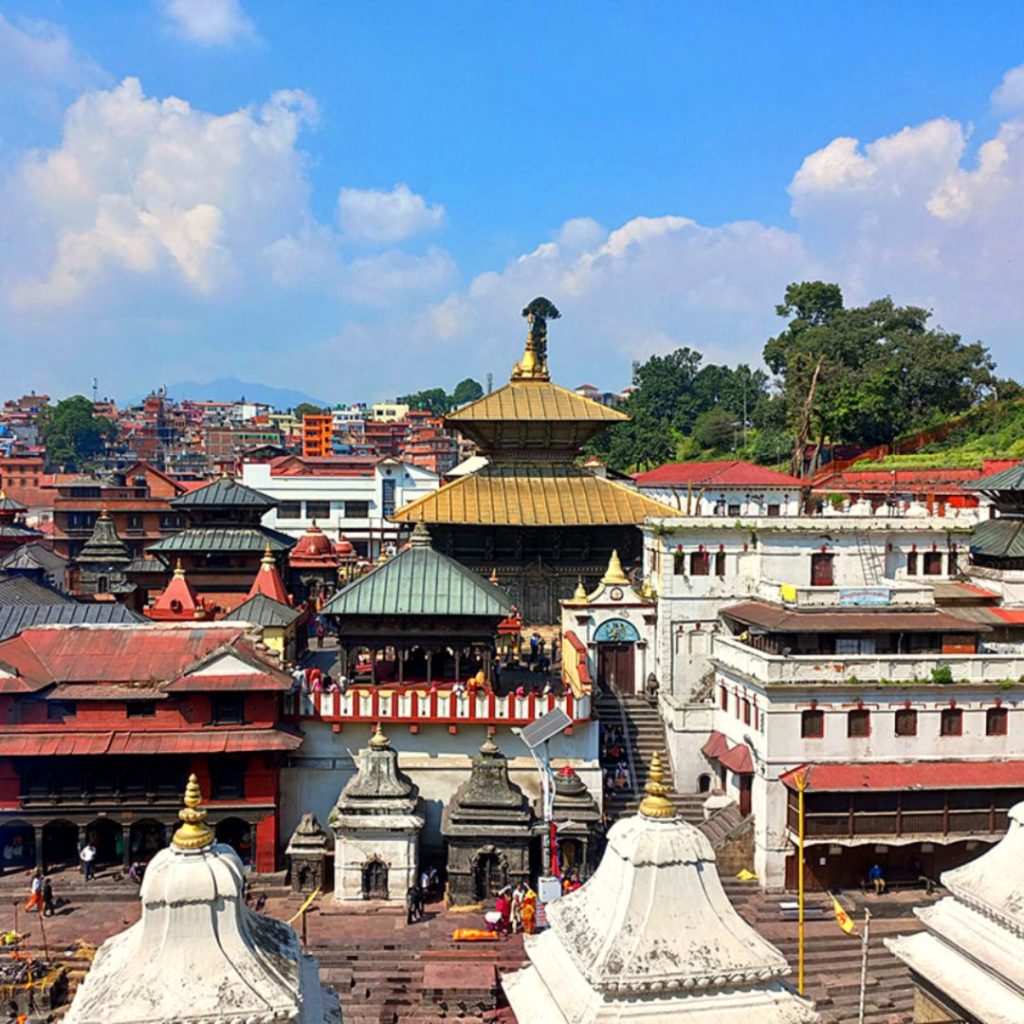
In the middle of Kathmandu’s busy streets, modern lifestyle, and constant movement, there exists a sacred space where everything feels still, peaceful, and deeply spiritual—this is Pashupatinath Temple. Located on the banks of the holy Bagmati River, this temple is not just a religious destination; it is a living spiritual world where faith, tradition, culture, and the philosophy of life and death come together in one powerful experience.
Dedicated to Lord Shiva in his form as Pashupati, the Protector of All Living Beings, this ancient temple has been a center of devotion for thousands of years. People from different parts of the world come here not only to worship but also to understand life more deeply, seek inner peace, and experience a strong spiritual connection that goes beyond religion.
Recognized as a UNESCO World Heritage Site, Pashupatinath Temple holds immense historical, cultural, and religious importance. It is considered one of the most sacred Shiva temples in Hindu tradition, believed to be a powerful place for spiritual cleansing and even liberation (moksha).
As soon as a visitor enters the temple complex, they are welcomed by the sound of bells, continuous chanting of mantras, the fragrance of incense, and the presence of sadhus and devotees. The atmosphere feels completely divine and timeless. Every person who arrives here carries a different intention—some come for peace, some for devotion, some for cultural understanding, and some to witness the truth of existence itself.
One of the most unique and spiritually significant features of this temple is its four-direction entry and exit system. Devotees and visitors can enter the temple complex from any of the four directions, and each direction is believed to carry its own spiritual meaning and blessing.
This unique design reflects a powerful belief: divinity is not limited to one direction—Lord Shiva exists everywhere, in all forms and all directions. It represents openness, equality, and the infinite nature of spirituality.
Along with this, the temple experience is deeply enriched by daily rituals, evening Aarati, sacred ceremonies, and the cremation ghats along the Bagmati River. These elements together present a rare spiritual philosophy where life, death, devotion, and liberation exist side by side.