Shivadip Travels

Everest Base Camp Trek

Country

Nepal

Duration

13 Nights 14 Days

Difficulty

moderate to challenging

Activity

Flight/Hiking/Trekking

Max. altitude

5,364m

Best season

Feb-June September-December

Accommodation

Hotel, Resort & Tea House

Start/End Point

Kathmandu

Meals

Breakfast, Lunch & dinner

OVERVIEW

The Everest Base-Camp Trek is one of the most iconic trekking adventures in the world, offering a once-in-a-lifetime opportunity to stand at the foot of the highest mountain on Earth, Mount Everest. Located in the Khumbu region of Nepal, this journey blends breathtaking Himalayan landscapes, rich Sherpa culture, and an unforgettable high-altitude experience.

Operated by Shivadip Travels, this 14-day Everest Base Camp Trek is carefully designed to provide a safe, well-organized, and comfortable adventure for trekkers of all levels with good fitness. The trail passes through the beautiful Sagarmatha National Park (UNESCO World Heritage Site), known for its dramatic mountains, glaciers, and diverse alpine environment.

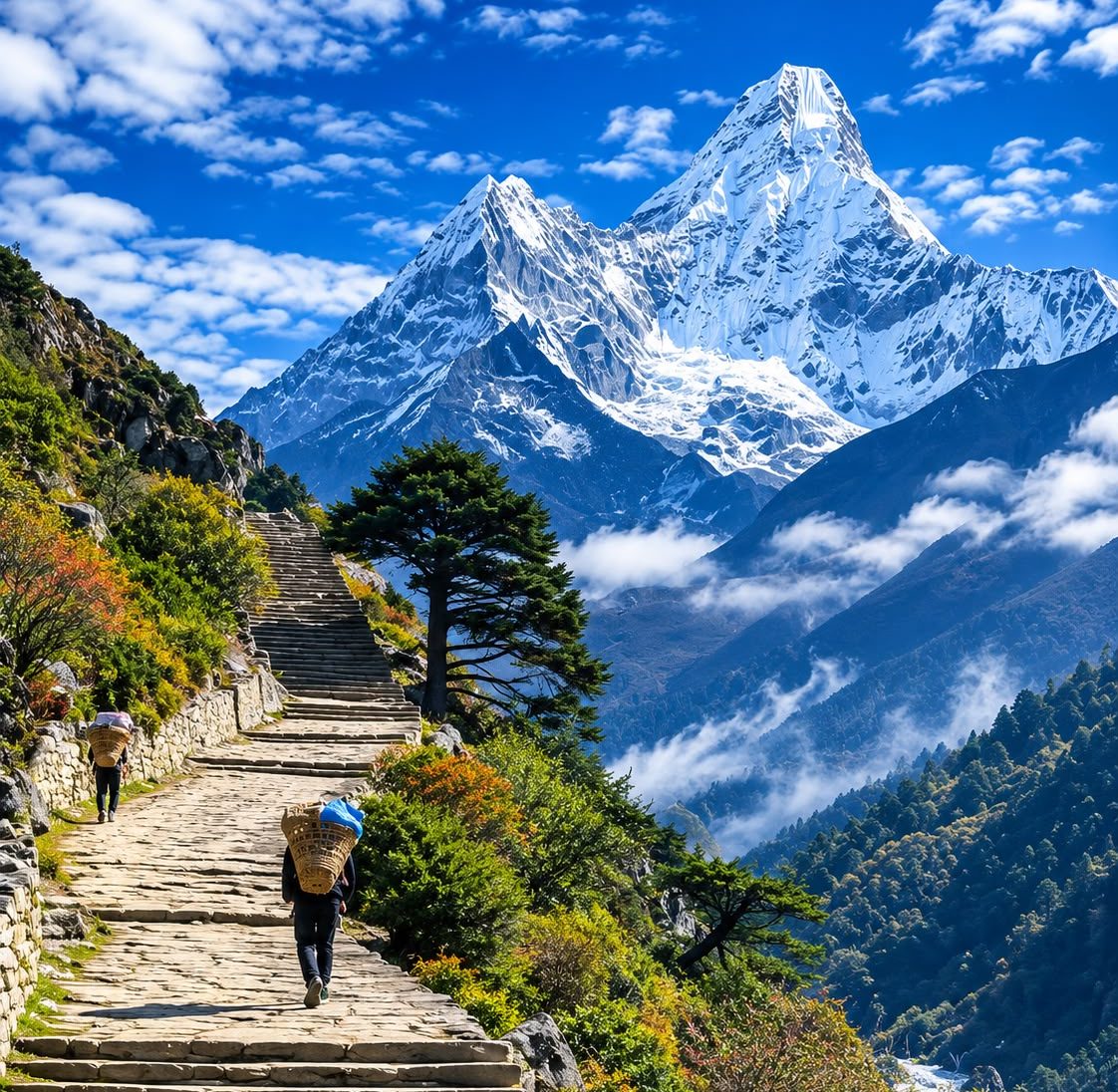
Throughout the journey, trekkers experience a variety of landscapes—from lush pine forests and suspension bridges to rugged alpine terrain. The route offers incredible views of towering peaks such as Mount Everest, Lhotse, Nuptse, and Ama Dablam.

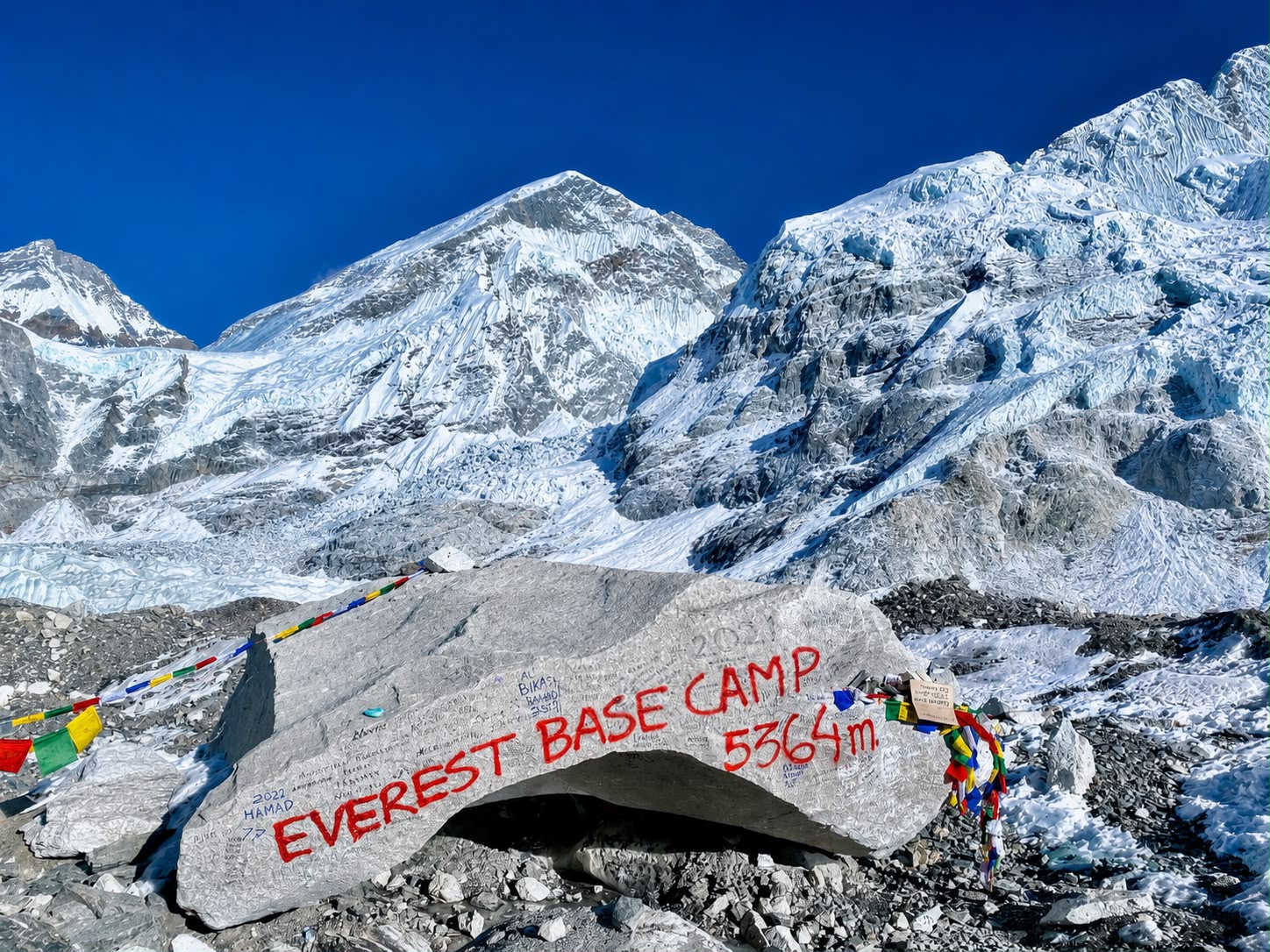
The highlight of the trek is reaching Everest Base Camp (5,364m) and Kala Patthar (5,545m), where panoramic sunrise views of Mount Everest create an unforgettable memory. This trek is moderately challenging but achievable with proper acclimatization and guidance.

Trek Route Overview

The Everest Base Camp Trek begins with a thrilling mountain flight from Kathmandu to Lukla, one of the most exciting airports in the world. From Lukla, the trail descends into the Dudh Koshi Valley and continues through charming Sherpa villages, dense forests, and suspension bridges.

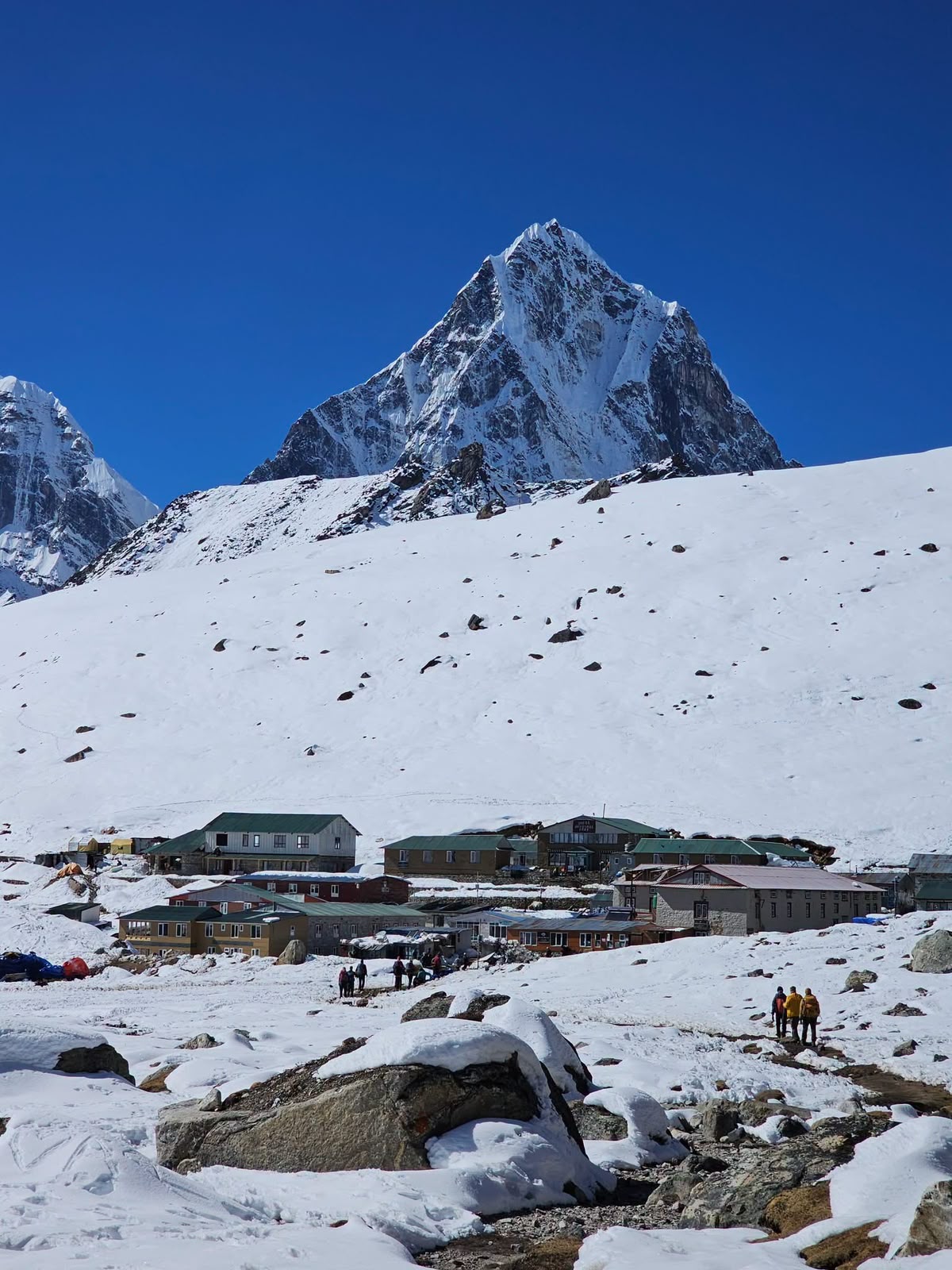
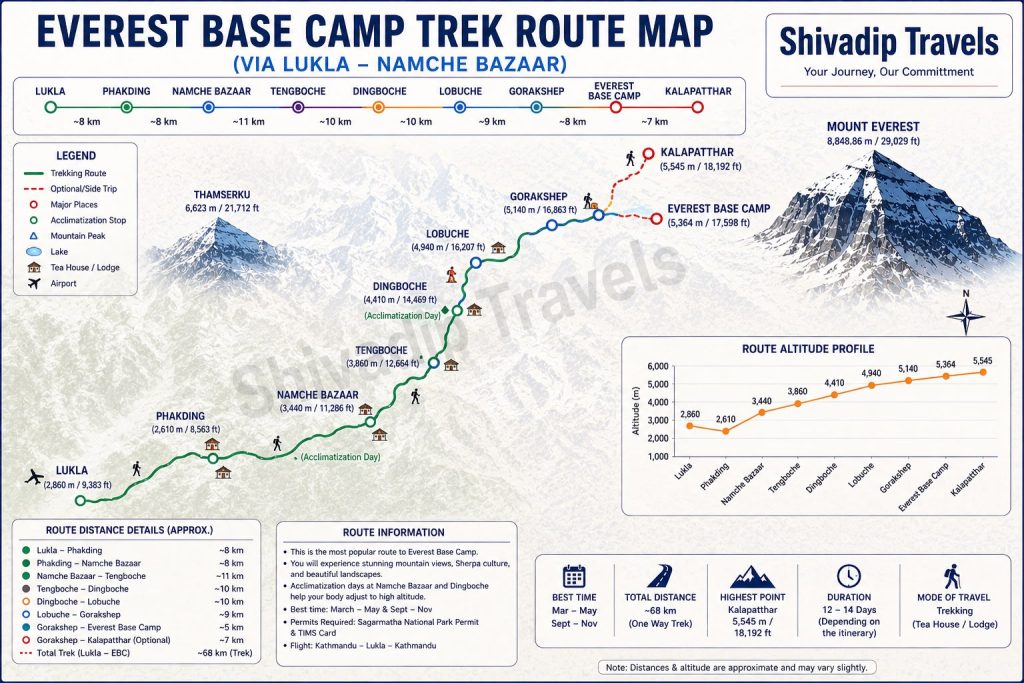
The journey passes through key stops such as Phakding, Namche Bazaar, Tengboche, Dingboche, Lobuche, and Gorakshep. Each section of the trail offers unique landscapes and increasing altitude, making acclimatization an essential part of the experience.

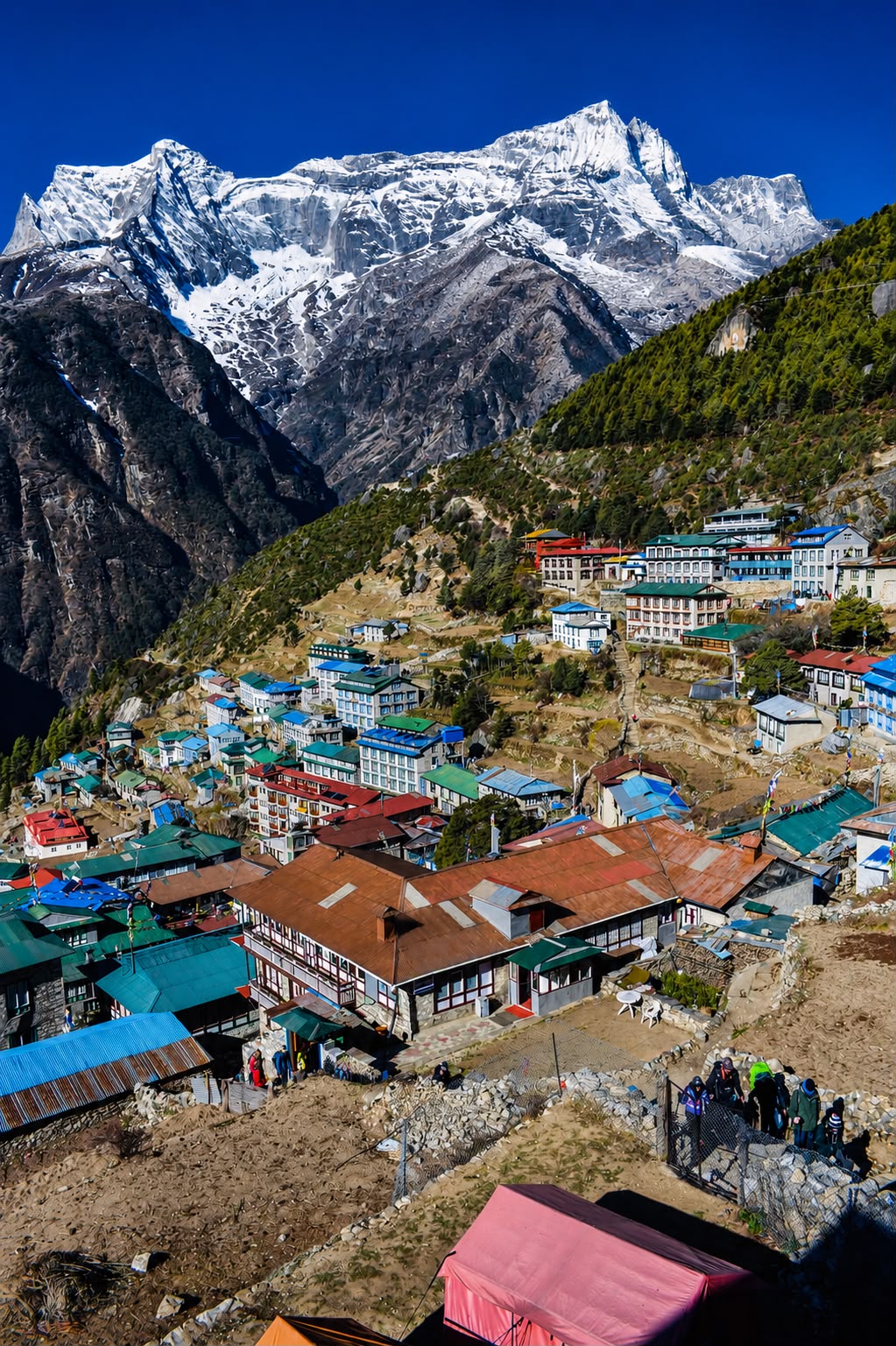
Namche Bazaar serves as the main trading hub of the Khumbu region, offering modern amenities alongside traditional Sherpa culture. Further along, Tengboche Monastery provides spiritual significance with stunning views of Ama Dablam.

As the altitude increases, the terrain becomes more rugged and alpine. Dingboche and Namche Bazaar provide important acclimatization stops before heading toward the higher sections of the trail.

Finally, trekkers reach Everest Base Camp, followed by a sunrise hike to Kala Patthar, the most iconic viewpoint of the entire journey. The return follows the same scenic route back to Lukla and Kathmandu.

Experience Everest with Shivadip Travels

Trekking to Everest Base Camp with Shivadip Travels is more than just a journey—it is a carefully crafted Himalayan experience focused on safety, comfort, and authentic cultural exploration. We ensure that every trekker enjoys a smooth and well-supported adventure from arrival to departure.

Our experienced local guides provide professional support, safety monitoring, and cultural insights throughout the trek. We strongly follow proper acclimatization schedules to reduce altitude risks and ensure a successful journey.

Beyond the physical challenge, this trek offers deep cultural immersion. Trekkers interact with Sherpa communities, ancient monasteries, and traditional mountain lifestyles, making the experience more meaningful.

Whether you are a solo traveler or part of a group, Shivadip Travels customizes the experience according to your needs. Our goal is not only to take you to Everest Base Camp, but to help you create lifelong Himalayan memories.

If you are dreaming of standing at the base of the world’s highest peak, this Everest Base Camp Trek is the perfect choice for you.

HIGHLIGHTS

  • Scenic and thrilling flight from Kathmandu to Lukla Airport, marking an exciting start to the journey in the Everest region.
  • Trek through Sagarmatha National Park (UNESCO World Heritage Site), home to rare flora, fauna, and breathtaking Himalayan landscapes.
  • Reach Everest Base Camp, standing close to the legendary Khumbu Icefall and experiencing the heart of the world’s highest mountain.
  • Acclimatization hikes in Namche Bazaar and Dingboche, helping the body safely adjust to high altitude conditions.
  • Visit the historic Tengboche Monastery, offering spiritual peace and stunning views of Ama Dablam and surrounding peaks.
  • Hike to the iconic Kala Patthar viewpoint (5,545m) for a 360° panoramic sunrise view of Mount Everest and Himalayan giants.
  • Experience Sherpa culture and hospitality, interacting with local communities and enjoying traditional food along the trail.
  • Cultural and farewell dinner in Kathmandu, celebrating the successful completion of the trek.
  • A journey through diverse Himalayan landscapes, blending nature, culture, and adventure into one unforgettable experience.

Sherpa Culture and Traditions

The Everest Base Camp Trek passes through traditional Sherpa settlements such as Namche Bazaar and Tengboche, offering trekkers a close look at the unique Himalayan lifestyle. The Sherpa community is world-renowned for its mountaineering expertise and deep-rooted Buddhist beliefs.

A visit to the sacred Tengboche Monastery provides meaningful insight into local spiritual practices, community values, and centuries-old traditions. From Namche Bazaar onwards, travelers have opportunities to interact with local families, observe festivals, and experience genuine Himalayan hospitality, making the journey culturally enriching and unforgettable.

Sagarmatha National Park

The trekking route lies within the protected Sagarmatha National Park, a UNESCO World Heritage Site dedicated to preserving the fragile Himalayan ecosystem. The landscape changes dramatically from dense rhododendron forests to high-altitude alpine terrain.

This region is home to rare wildlife species such as the snow leopard, Himalayan tahr, and red panda. Along the trail, trekkers pass through iconic Sherpa villages including Namche Bazaar, Tengboche, and Khumjung. The presence of monasteries, prayer flags, and ancient trails creates a peaceful and spiritually uplifting atmosphere throughout the journey.

ITINERARY

Day 1: Arrival in Kathmandu & Trek Preparation

Upon your arrival at Tribhuvan International Airport in Kathmandu, a representative from Shivadip Travels will warmly welcome you and transfer you to your hotel. After check-in, you can rest and recover from your journey. In the evening, a detailed trek briefing session will be conducted, where your guide will explain the route, safety guidelines, weather conditions, and essential preparation tips. You will also meet your trekking team and get familiar with the journey ahead. The day concludes with a welcome dinner, marking the official start of your Everest adventure.

Accommodation: 3-Star Hotel
Meals: Dinner
Highlight: Trek briefing, team introduction & welcome dinner

Day 2: Fly to Lukla & Trek to Phakding

Your journey begins with an early morning scenic flight to Lukla, one of the most thrilling mountain airports in the world. Enjoy breathtaking aerial views of the Himalayas before landing in the heart of the Everest region. From Lukla, the trek begins along the Dudh Koshi River valley, passing through Sherpa villages, suspension bridges, and lush forests before reaching Phakding. This day offers a gentle start to help your body adjust to trekking rhythm.

Accommodation: Local Teahouse
Meals: Breakfast, Lunch & Dinner
Duration: 4–5 Hours
Altitude: 2,650m
Highlight: Scenic flight & riverside trekking trail

Day 3: Phakding to Namche Bazaar

Today’s trail follows the Dudh Koshi River with multiple suspension bridge crossings, gradually ascending toward Namche Bazaar. After entering Sagarmatha National Park, the trail becomes steeper but more rewarding. If weather permits, you may catch your first glimpse of Mount Everest along the way. Namche Bazaar, the vibrant Sherpa town, welcomes you with mountain energy and cultural richness.

Accommodation: Local Teahouse
Meals: Full Board
Duration: 6–7 Hours
Altitude: 3,440m
Highlight: First Everest view & entrance to Sagarmatha National Park

Day 4: Acclimatization Day in Namche Bazaar

This important rest day helps your body adapt to higher altitude. A short acclimatization hike is taken to nearby viewpoints such as Everest View Hotel or Syangboche, offering stunning panoramas of Mount Everest, Lhotse, Ama Dablam, and surrounding peaks. You may also explore the Sherpa Culture Museum and local markets in Namche Bazaar.

Accommodation: Local Teahouse
Meals: Full Board
Duration: 3–4 Hours
Highest Altitude: 3,880m
Highlight: Acclimatization hike & panoramic Himalayan views

Day 5: Namche Bazaar to Debuche via Tengboche

The trail gradually climbs through pine forests with beautiful views of Ama Dablam dominating the skyline. You reach Tengboche Monastery, the spiritual heart of the Everest region, where Buddhist chants and mountain views create a powerful atmosphere. After the visit, the trek continues downhill to Debuche for overnight stay.

Accommodation: Local Teahouse
Meals: Full Board
Duration: 6–7 Hours
Altitude: 3,985m
Highlight: Tengboche Monastery visit & Ama Dablam views

Day 6: Debuche to Dingboche

Today’s trek follows the Imja Khola valley, passing through Pangboche village, mani walls, and chortens. As altitude increases, the landscape becomes more open and alpine. Dingboche welcomes you with breathtaking views of Lhotse, Ama Dablam, and Island Peak.

Accommodation: Local Teahouse
Meals: Full Board
Duration: 5–6 Hours
Altitude: 4,410m
Highlight: Himalayan valley trekking & cultural trail

Day 7: Acclimatization Day in Dingboche

Another important rest day for altitude adjustment. A short hike to Nangkartshang Viewpoint offers spectacular views of Makalu, Ama Dablam, and Imja Valley. This helps your body prepare for higher elevations ahead.

Accommodation: Local Teahouse
Meals: Full Board
Duration: 3–4 Hours
Highest Altitude: 5,060m
Highlight: High-altitude acclimatization hike & mountain panorama

Day 8: Dingboche to Lobuche

The trail climbs steadily through Thukla Pass, where memorials of Everest climbers create an emotional and historical atmosphere. The landscape becomes rugged and icy as you approach Lobuche.

Accommodation: Local Teahouse
Meals: Full Board
Duration: 5–6 Hours
Altitude: 4,910m
Highlight: Everest memorial site & alpine terrain

Day 9: Lobuche to Everest Base Camp via Gorakshep

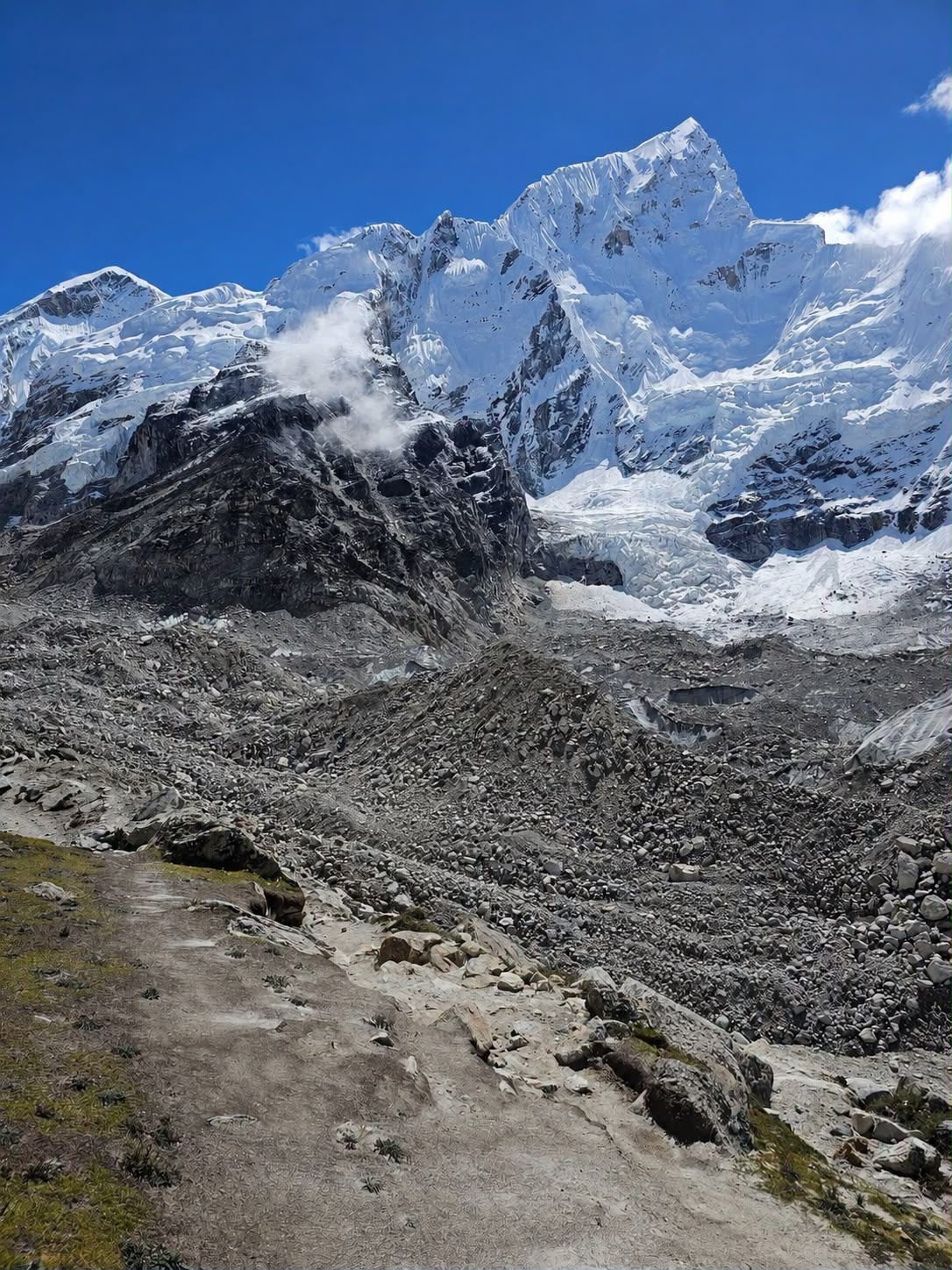
Today is the most important day of the trek. You reach Gorakshep and continue to Everest Base Camp, walking alongside the mighty Khumbu Glacier. Standing at the base of Mount Everest (8,848.86m) is a once-in-a-lifetime achievement. After spending time at Base Camp, return to Gorakshep for overnight stay.

Accommodation: Local Teahouse
Meals: Full Board
Duration: 7–8 Hours
Altitude: 5,364m
Highlight: Everest Base Camp & Khumbu Glacier experience

Day 10: Sunrise at Kala Patthar & Trek to Somare

Early morning hike to Kala Patthar (5,545m) rewards you with the best panoramic view of Mount Everest glowing at sunrise. After returning to Gorakshep, you descend to Somare.

Accommodation: Local Teahouse
Meals: Full Board
Duration: 7–8 Hours
Highlight: Best Everest sunrise viewpoint from Kala Patthar

Day 11: Trek Back to Namche Bazaar

The descent continues through Tengboche and Pangboche, with greener landscapes and easier walking conditions. You return to Namche Bazaar for rest.

Accommodation: Local Teahouse
Meals: Full Board
Duration: 6–7 Hours
Altitude: 3,440m
Highlight: Scenic descent through Sherpa villages

Day 12: Trek Back to Lukla

Final trekking day as you return to Lukla through forests, suspension bridges, and river valleys. Celebrate your successful journey with your team.

Accommodation: Local Teahouse
Meals: Full Board
Duration: 6–7 Hours
Altitude: 2,840m
Highlight: Trek completion celebration in Lukla

Day 13: Flight Back to Kathmandu

Morning flight returns you to Kathmandu with stunning Himalayan views. Rest at hotel or explore the city.

Accommodation: 3-Star Hotel
Meals: Breakfast
Flight Duration: 30–40 Minutes
Highlight: Scenic Himalayan flight return

Day 14: Final Departure

Transfer to the airport by Shivadip Travels team according to your flight schedule. Your Everest journey ends with unforgettable memories of the Himalayas.

Meals: Breakfast
Highlight: Farewell & departure assistance

Note

Accommodation Arrangements

As part of your 14-day Everest Base Camp Trek with Shivadip Travels, two nights of accommodation are provided in Kathmandu at a comfortable 3-star hotel on a twin-sharing basis. Travelers who prefer extra privacy can request a private room at an additional cost.

During the trekking journey, you will spend 11 nights in traditional mountain teahouses along the route. These lodges offer simple but cozy facilities, usually with twin-sharing rooms and communal dining areas. Basic bedding such as a mattress, pillow, and blanket is provided.

Due to increasing altitude, facilities become more limited as you go higher. Private bathrooms may be available in lower villages like Lukla, Phakding, and Namche, while shared bathrooms are common in higher regions. A warm sleeping bag rated around -10°C is highly recommended, though it can also be rented in Kathmandu.

Hotel Upgrade Options

For travelers seeking additional comfort before or after the trek, Shivadip Travels offers optional upgrades:

4-star hotel upgrade in Kathmandu – USD 150 per night (BB basis)

5-star hotel upgrade in Kathmandu – USD 320 per night (BB basis)

Single room supplement – USD 340 per person

Who Should Join the Everest Base Camp Trek?

The Everest Base Camp Trek is suitable for individuals with moderate physical fitness and a strong willingness to take on a high-altitude adventure. The route covers approximately 130 kilometers round trip and reaches a maximum elevation of 5,545 meters at Kala Patthar.

No technical climbing skills are required, but trekkers should be prepared to walk 5 to 8 hours daily over uneven mountain terrain. People with heart or respiratory conditions are advised to consult a medical professional before planning the trek.

This journey is ideal for solo travelers, families, and groups who are physically prepared and eager to experience the Himalayas in a safe and rewarding way.

Booking & Cancellation Policy

To confirm your booking with Shivadip Travels, passport details and a 20% advance payment are required. Cancellation charges vary depending on the number of days before departure. Once the trek begins, no refunds are applicable.

Custom Trips & Extensions

Shivadip Travels also offers fully customized travel options beyond Everest Base Camp, including other trekking regions of Nepal and cultural tours in neighboring countries. Flexible itineraries can be designed based on your travel schedule and interests.


ROUTE MAP

INCLUSIVES

  • Accommodation – 2 nights in a 3-star hotel in Kathmandu (twin-sharing with breakfast) and comfortable twin-sharing teahouse/lodge accommodation during the trek with basic mountain facilities included.
  • Meals – Breakfast in Kathmandu and full board meals (Breakfast, Lunch, Dinner) during the trek, along with tea/coffee up to 3 times daily and fresh seasonal fruit after dinner.
  • Transportation – Airport pickup and drop service in Kathmandu, private tourist vehicle transfers where required, and round-trip flights to/from Lukla with possible road transfer between Kathmandu and Ramechhap during peak season.
  • Guide & Porter Service – Licensed English-speaking trekking guide with porter support (1 porter for 2 trekkers), including staff insurance, salary, meals, accommodation, and safety equipment.
  • Permits – All required permits including Sagarmatha National Park Permit and Khumbu Pasang Lhamu Rural Municipality Permit fully included.
  • Extras – Duffel bag, down jacket and sleeping bag (loan basis), Everest Base Camp completion certificate, and basic trekking souvenirs provided by Shivadip Travels.
  • Taxes & Services – All government taxes and service charges included in the package.

EXCLUSIVES

  • International airfare – Flights from your home country to Nepal and back are not included.
  • Nepal visa fee – Payable on arrival at Kathmandu airport.
  • Travel insurance – Must cover high altitude trekking up to 5,500m+ including emergency evacuation.
  • Personal expenses – Snacks, bottled drinks, chocolates, and other personal purchases.
  • Hot showers during trek – Available only in lower regions; extra charges apply elsewhere.
  • Wi-Fi & internet – Not included during the trek and available at extra cost in some lodges.
  • Personal trekking equipment – Hiking boots, clothing, sleeping gear, and personal items.
  • Tips – For guide, porter, and drivers (customary but not mandatory).

EQUIPMENTS

How to Prepare for the Everest Base Camp Trek?

Proper preparation for this 14-day Himalayan adventure requires building cardiovascular endurance, leg strength, and mental resilience. Activities such as running, cycling, hiking, or brisk walking should be practiced regularly, ideally 3–4 times per week.

Strength training exercises like squats, lunges, and step-ups are highly beneficial for handling steep ascents and descents. Acclimatization is also a key factor, so following rest days in the itinerary is essential to reduce altitude-related risks.

Staying hydrated, eating balanced meals, and using proper trekking footwear significantly improve comfort and safety during the journey.

Best Time for Everest Base Camp Trek

The most favorable seasons for the Everest Base Camp Trek are spring (February to May) and autumn (late September to November). These periods offer stable weather, clear skies, and excellent visibility of Himalayan peaks.

Spring brings blooming rhododendrons and vibrant landscapes, while autumn offers crisp air and breathtaking mountain views. These seasons are considered ideal for trekking due to their predictable weather conditions.

Monsoon months (June to mid-September) bring heavy rainfall and slippery trails, while winter (December to February) is extremely cold with temperatures dropping as low as -20°C. Proper gear and preparation are essential if trekking during colder months.

Why Choose Shivadip Travels for Everest Base Camp Trek?

Shivadip Travels is a trusted trekking operator dedicated to delivering safe, well-organized, and memorable Himalayan experiences. From your arrival in Kathmandu to the completion of your journey, we ensure complete support and professional service.

Our team focuses on responsible tourism by following sustainable trekking practices and supporting local communities along the route. We prioritize safety, comfort, and authentic cultural experiences throughout the trek.

The Everest Base Camp itinerary is carefully designed by experienced professionals to provide the perfect balance of adventure, acclimatization, and cultural exploration.

Our Commitment to Responsible Travel

At Shivadip Travels, we believe travel should create positive impact. We actively promote eco-friendly trekking practices, support local economies, and encourage respectful cultural interaction.

We strictly follow ethical tourism principles, ensuring fair treatment of staff and responsible environmental practices. Our guides are trained not only in navigation and safety but also in cultural awareness and sustainability.

We work only with eco-conscious lodges that reduce plastic use and promote energy efficiency, helping preserve the beauty of the Everest region for future generations.

Flights, Transfers & Baggage Handling

The journey begins with a scenic flight to Lukla, the gateway to the Everest region. Depending on weather conditions, flights may experience delays or schedule changes. Shivadip Travels recommends keeping at least one to two buffer days in your travel plan for flexibility.

In rare cases where flights are disrupted, helicopter alternatives may be arranged for emergency return options. All airport transfers in Kathmandu are managed through private transportation for convenience and comfort.

Any extra luggage not required for trekking can be safely stored at your hotel in Kathmandu. During peak seasons, flights may operate from Ramechhap (Manthali Airport), requiring a road transfer before the short mountain flight to Lukla.

Permits & Entry Requirements

To complete the Everest Base Camp Trek, several permits are required. Shivadip Travels arranges all necessary documentation in advance, including:

Sagarmatha National Park Entry Permit

Khumbu Pasang Lhamu Rural Municipality Permit

TIMS Card (Trekkers’ Information Management System)

These permits are mandatory and must be presented at multiple checkpoints throughout the trek. Travelers are advised to carry photocopies of passports and permits for verification purposes.

Connectivity: Internet, Electricity & Mobile Network

As altitude increases, facilities become limited. Charging electronic devices is available at most teahouses, but costs increase at higher elevations. Carrying a high-capacity power bank (20,000mAh or more) is strongly recommended.

Internet access is available through prepaid trekking network cards such as Everest Link, while some lower villages offer paid or complimentary WiFi. Mobile coverage is mainly provided by Nepal Telecom, while other networks may have weak or inconsistent signals in higher regions.

Meals & Hydration

Shivadip Travels provides full-board meals (breakfast, lunch, and dinner) during the trek. Meals are served in local teahouses and include a variety of fresh and energy-rich options such as rice dishes, noodles, soups, vegetables, eggs, and bakery items.

The traditional Nepali dish Dal Bhat is widely available and offers unlimited refills, making it ideal for trekking energy needs. Vegetarian, vegan, and gluten-free meals can be arranged upon request.

For drinking water, bottled and boiled water are available along the route. However, to reduce cost and plastic waste, trekkers are encouraged to use purification tablets or filters.

Guide, Porter & Support Team

Your journey with Shivadip Travels is led by experienced, licensed trekking guides trained in high-altitude safety and wilderness first aid. For group treks, additional assistant guides are provided to ensure better support.

A porter is assigned for every two trekkers, helping carry luggage and making the trekking experience more comfortable and enjoyable.

Trekking Equipment & Preparation

Most trekking equipment is easily available for rent or purchase in Kathmandu, so there is no need for heavy pre-trip shopping. Shivadip Travels also provides a detailed packing checklist to help you prepare efficiently.

Proper clothing layers, sturdy trekking boots, and weather protection gear are essential for a safe and comfortable Himalayan journey.

Altitude Considerations

Since the trek reaches elevations above 5,500 meters, altitude sickness is an important factor. Shivadip Travels designs the itinerary with gradual ascent and acclimatization days to minimize risk.

Common symptoms include headache, dizziness, and fatigue. If symptoms worsen, rest or descent is strongly advised. Continuous communication with your guide is essential for safety.

Trekking Difficulty Level

This trek is considered moderate to challenging, requiring daily walking of approximately 5 to 8 hours over varied terrain including steep ascents, descents, and rocky trails. Good physical fitness and mental readiness are recommended.

Weather Conditions

Weather in the Everest region can change rapidly. Mornings may be clear and sunny, while afternoons can become cold, windy, or cloudy. Proper layered clothing, including waterproof and insulated gear, is essential throughout the journey.

Travel Insurance Requirement

Comprehensive travel insurance is mandatory for the Everest Base Camp Trek with Shivadip Travels. It must cover high-altitude trekking up to at least 5,500 meters, including emergency helicopter evacuation and medical treatment.

Tipping Etiquette

Tipping is not compulsory but is highly appreciated in recognition of the hard work of guides and porters. A general guideline is 10–15% of the trek cost, depending on service satisfaction.

FAQS

How difficult is the Everest Base Camp Trek?

The Everest Base Camp Trek is considered moderate to challenging. While no technical climbing skills are required, trekkers should be prepared to walk 5–8 hours daily on mountain trails and reach altitudes above 5,300 meters. Proper acclimatization and a reasonable fitness level are essential.

How long does the Everest Base Camp Trek take?

This itinerary takes 14 days, including arrival, acclimatization days, trekking to Everest Base Camp, the Kala Patthar sunrise hike, and return flights between Kathmandu and Lukla.

What is the highest point of the Everest Base Camp Trek?

The highest point of the trek is Kala Patthar at 5,545 meters (18,192 feet), which offers the best panoramic view of Mount Everest and surrounding Himalayan peaks.

Do I need previous trekking experience for Everest Base Camp?

Previous trekking experience is helpful but not mandatory. Anyone with good physical fitness, determination, and proper preparation can successfully complete the Everest Base Camp Trek.

Is altitude sickness a concern during the trek?

Yes. Since the trek reaches elevations above 5,000 meters, altitude sickness can affect anyone regardless of fitness level. Proper acclimatization, hydration, and following your guide’s instructions significantly reduce the risk.

What permits are required for the Everest Base Camp Trek?

Trekkers need the Sagarmatha National Park Permit and the Khumbu Pasang Lhamu Rural Municipality Permit. Both permits are included in the Shivadip Travels trekking package.

What type of accommodation is available during the trek?

Accommodation is provided in comfortable mountain teahouses and lodges on a twin-sharing basis. Facilities are basic but clean, offering meals, beds, and a warm place to rest after each trekking day.

Are Lukla flights included in the package?

Yes. Round-trip flights between Kathmandu (or Ramechhap during peak seasons) and Lukla are included in the Everest Base Camp Trek package.

Why choose Shivadip Travels for the Everest Base Camp Trek?

Shivadip Travels provides experienced local guides, proper acclimatization planning, quality accommodation, permit management, porter support, and personalized service to ensure a safe, comfortable, and memorable Himalayan adventure.

PRICE PER PERSON

USD

1750

Need Help? Ask the trip expert

*We ensure a smooth, hassle-free booking experience  reliable support throughout your journey.

Scroll to Top